
Toll FREE: 1.877.965.2140
International: 1.805.322.0005

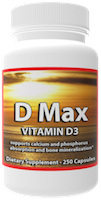
Dmax: Vitamin D3
As low as $15.95 per bottle
Vitamin D3 and Diabetes
The relationship between Vitamin D deficiency and diabetes is a hotly researched subject. Studies through out the world have been conducted on animal, infant and adult subjects. A number of studies have taken place in northern Finland, which has the highest reported incidence of type 1 diabetes in the world and interestingly only receives two hours of sunlight during December.
In one such study, researchers followed more than 10,000 pregnant women living in northern Finland, who were due to give birth in 1966. New mothers recorded whether they gave vitamin D supplements to their children and how much they provided, during the first year of life. Researchers tracked the number of children who developed type 1 diabetes over 40 years.
Another norwegian study was conducted to find out whether the intake of vitamin D taken by either mothers during pregnancy or by children during the first year of their life, was linked to lowering the risk of type 1 diabetes among children.
The nationwide case-control study was done in Norway and consisted of 545 children diagnosed with type 1 diabetes and 1,668 control participants. Families were sent a questionnaire in the mail and were required to answer questions pertaining to the number of times they used cod liver oil or other vitamin D supplements.
Researchers were very impressed with the study results.
D Max®
Contains:
- 5,000 iu's of Vitamin D3 per capsule
- 250 capsules per bottle
Suggested use:
1 capsule twice per day
Dmax is a great value . . .
While many Vitamin D3 products come in a 60 count bottle, each bottle of Dmax contains 250 capsules. Based on the single bottle price ($22.95), the cost of D Max is less than $2.75 per month. (even less when buying larger quantities)
- 1 bottle
- $22.95
- 2 bottles $21.95 each
- $43.90
- 3 bottles $20.95 each
- $62.85
- 6 bottles $18.95 each
- $113.70
- 12 bottles $16.95 each
- $203.40
- 24 bottles $14.95 each
- $358.80
D Max: Supplement Facts
| Serving Size: 1 Capsule
Capsules per container: 250 Servings per container: 250 |
||
| Amount per Serving | % Daily Value | |
|---|---|---|
|
Vitamin D3 (non GMO cholecalciferol) (from sheep lanolin) (100,000 iu/gm) |
125 mcg (5,000 IU) | 625% |
Other ingredients: Microcrystalline Cellulose, Gelatin, L-Leucine
Directions:
Take 1 capsule, once per day (or as directed by your health care provider).
vK2®
Contains:
60 capsules per bottle
(30 day supply)
- MK-4 (5 mg/capsule)
- MK-7 (100 mcg/capsule)
Suggested use:
1 capsule twice per day
(or one capsule for each Dmax capsule taken)
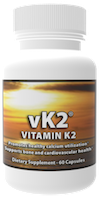
vK2® is the perfect compliment to Dmax
- 1 bottle
- $28.95
- 2 bottles $27.95 each
- $55.90
- 3 bottles $26.95 each
- $80.85
- 6 bottles $25.95 each
- $155.70
- 12 bottles $23.95 each
- $287.40
- 24 bottles $21.95 each
- $526.80
vK2® Supplement Facts
| Serving Size: 1 Capsule
Capsules per container: 60 Servings per container: 60 |
||
| Amount per Serving | % Daily Value | |
|---|---|---|
| Vitamin K2 (pharmaceutical grade) | 5.1 mg | 6154% |
|
Menaquinone-4 (100% TRANS form MK-4) |
5.0 mg | * |
|
Menaquinone-7 (70% TRANS form MK-7) |
.1 mg (100 mcg) | * |
*Daily value not established.
Other ingredients: Vegetable capsule, Microcrystalline Cellulose, Rice Flour
Directions:
Take 1 capsule 1 time per day,
or
Take 1 capsule for each 5,000 iu of Vitamin D3 you take
or
Take as directed by your health care provider
Coral Calcium “Marine Plus”
Coral Calcium: "Marine Plus" is based on the original Coral Calcium Supreme formula that Bob Barefoot used to sell on TV. We've upgraded his 1,000 mg serving size to 1,500 mg. Each 3 capsule serving of "Marine Plus" contains 1,500 mg of "marine grade" coral calcium from Okinawa, Japan, which has the biologically perfect 2 to 1 ratio of calcium to magnesium + 73 naturally occurring trace minerals + Aquamin + Vitamins (A, B, C, D3 & E) + Cesium.
Suggested use:
3 capsules per day
(preferably at regular intervals) with meals.
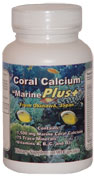
- 1 bottle - Coral Calcium:
"Marine Plus" - $17.95
- 2 bottles - Coral Calcium:
"Marine Plus" $13.45 each - $26.90
- 3 bottles - Coral Calcium:
"Marine Plus" $12.95 each - $38.85
- 6 bottles - Coral Calcium:
"Marine Plus" $12.45 each - $74.40
- 12 bottles - Coral Calcium:
"Marine Plus" $11.95 each - $143.40
- 24 bottles - Coral Calcium:
"Marine Plus" $11.45 each - $274.80
Coral Calcium “Marine Plus”: Supplement Facts
| Serving Size: 3 Capsules
Capsules per container: 90 Servings per container: 30 |
||
| Amount per Serving | % Daily Value | |
|---|---|---|
|
Coral Calcium (SMP 44®) |
1,500 mg | * |
| Calcium | 375 mg | 37.5% |
| Magnesium | 187.5 mg | 46.5% |
| Strontium | 2.8 mg | * |
|
Marine Algae (AquaminF®) |
362.5 mg | * |
| Calcium | 116 mg | 12.2% |
| Magnesium | 58 mg | 15% |
|
Vitamin D3 (as Cholecalciferol) |
20.4 mcg (816 IU) | 102% |
|
Vitamin A (as Beta Carotene) |
2917 iu | 58% |
|
Vitamin B-1 (as thiamine HCL) |
1.1 mg | 73% |
|
Vitamin B-2 (as Riboflavin Pwd) |
1.2 mg | 71% |
|
Vitamin B-3 (as Niacinamide) |
14 mg | 70% |
|
Vitamin B-5 (as di-Calcium Pantothenate) |
7 mg | 70% |
|
Vitamin B-6 (as Pyndoxine) |
1.4 mg | 70% |
|
Vitamin B-12 (as Cyanocobalamin) |
4.3 mcg | 72% |
|
Vitamin C (as Ascorbic acid) |
70 mg | 117% |
|
Vitamin E (as d-alpha-tocopherol) |
35 iu | 117% |
| Folic Acid | 400 mg | 100% |
|
Zinc (as Amino Acid Chelate) |
16.4 mg | 109% |
|
Selenium (as Amino Acid Chelate) |
30 mcg | 43% |
|
Copper (as Amino Acid Chelate) |
2.4 mg | 120% |
|
Manganese (as Amino Acid Chelate) |
1.44 mg | 72% |
|
Chromium (as Amino Acid Chelate) |
86 mcg | 72% |
|
Boron (as Amino Acid Chelate) |
64 mcg | * |
|
Iodine (from Kelp) |
150 mcg | 100% |
|
Cesium (as chloride) |
3 mg | * |
*Daily value not established.
Other ingredients: Hydroxypropylmethylcellulose, magnesium stearate
Directions:
Take 3 capsules per day (preferably at regular intervals) with meals.
Other Products available from: NHS Global Distributors LLC

Prostate Miracle®
Trusted by thousands to support healthy urinary flow and prostate health.
read more
Sea of Greens®
A Whole-Superfood supplement, combining an optimal blend of sea vegetables and Freshwater algae.
read more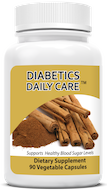
Diabetics Daily Care™
A Unique, 100% Natural Formula, which supports healthy blood sugar. Diabetics Daily Care™ is the most powerful formula of its kind.
read more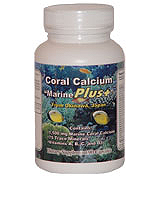
Pectin Plus®
Supports healthy detoxification, healthy blood pressure, healthy cholesterol levels and prostate health
read more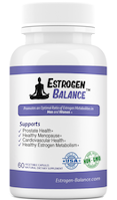
Estrogen Balance®
A natural formula for Men & Women, combining: D.I.M., Quercetin and Flaxseed.
read more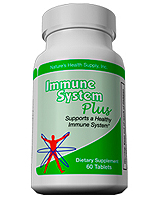
Immune System Plus™
An immune system support formula based on Beta Glutan, which is unsurpassed in it's ability to help support a healthy immune response.
read moreContact
255 Rivertown Shops Dr.
Suite 102, PMB 128
Saint Johns, FL 32259
International: 1.805.322.0005
Thank you for visiting Vitamin-D-Max.com
This information here within is designed to provide accurate information in regard to the subject matter covered. It is provided with the understanding that NHS Global Distributors LLC. is not engaged in rendering medical advice. If expert assistance is required, the services of a competent medical professional should be sought. These statements have not been evaluated by the Food and Drug Administration. These products are not intended to diagnose, treat, cure or prevent any disease. Always read and follow manufacturer's directions that come with this product.
You are protected by the FDA Dietary Supplement and Nonprescription Drug Consumer Protection Act
please call 877.965.2140 or Click here to report any Adverse Reaction with Dmax.