
Toll FREE: 1.888.443.7227
International: 1.805.322.0006
WhatsApp/Cellular: 1.805.453.7320

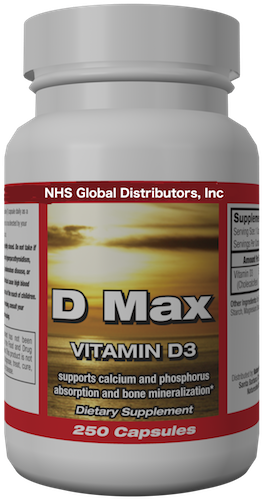
Dmax: Vitamina D3
Precios Bajos desde
$15.95 por frasco
Fuentes de Vitamina D
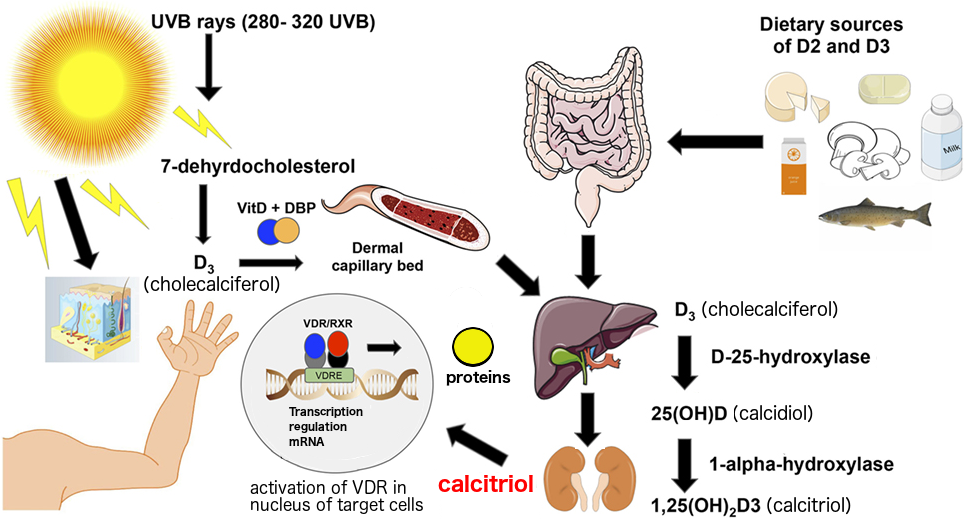
- Los humanos ingieren vitamina D a través de:
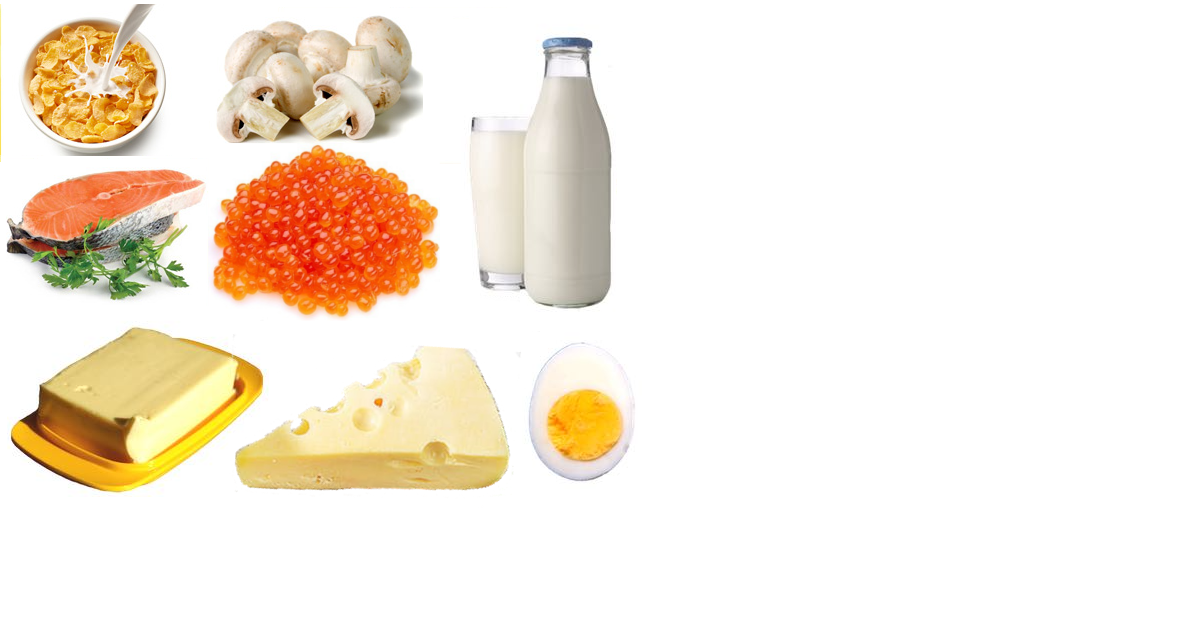
- Alimentos naturales
- Peces de agua salada como el arenque, el salmón, las sardinas y los aceites de hígado de pescado
- La dieta de una persona promedio es muy baja en vitamina D.
- Alimentos enriquecidos
- Desde la década de 1930, los alimentos como la leche, la margarina, la mantequilla, los cereales y las mezclas de chocolate han sido fortificados con Vitamina D (típicamente una mezcla de ambos D2 y D3).
- Antes de la década de 1930, el raquitismo era un importante problema de salud pública en los Estados Unidos.
- El raquitismo es ahora muy raro.
- La leche en los Estados Unidos está fortificada con 10 microgramos (400 UI) de vitamina D por litro.
- La leche humana no suele contener suficiente vitamina D.
- Los suplementos de vitamina D a menudo se recomiendan para lactantes alimentados exclusivamente con leche materna.

- Exposición a la luz del sol
- La exposición a la luz solar es una fuente importante de vitamina D.
- Los rayos ultravioleta (UV) de la luz solar activan la síntesis de vitamina D en la piel.
- Muchas poblaciones en todo el mundo están expuestas a niveles de luz solar bastante subóptimos, especialmente durante los meses de invierno (lo que resulta en un estado de vitamina D más bajo).
- Otros factores que reducen la exposición a los rayos UV del sol y disminuyen el estado de la vitamina D:
- pasar mucho tiempo en el interior
- viviendo en ciudades que tienen edificios altos
- Usar ropa que cubra la mayor parte del cuerpo.
- utilizando protectores solares sintéticos
- la contaminación del aire
- En estas condiciones, la vitamina D es una verdadera vitamina, ya que debe consumirse (ya sea a través de alimentos o suplementos) para mantener una salud óptima.
- Suplementacion
- Vitamina d2
- Debería ser evitado
- Sólo puede ser prescrito por un médico.
- Vitamina d3
- preferido sobre D2
- no se necesita receta
- Derivado de lanolina (de animales con lana como ovejas)
- purificado y cristalizado
- Procesos químicos para producir 7-deshidrocolesterol.
- licuado y luego expuesto a radiación ultravioleta para producir vitamina D3
- aceite de pescado de origen
- Los aceites de hígado de pescado y la carne de pescado alto en grasa como el atún y el salmón se encuentran entre los pocos alimentos que naturalmente contienen cantidades significativas de vitamina D.
- El aceite de hígado de bacalao contiene una mayor cantidad de vitamina D que otras fuentes de alimentos como los huevos, el hígado de res y la leche.
- ¿Cuál es una mejor fuente de vitamina D3?
- Según John Jacob Cannell, MD, (Director Ejecutivo del Consejo de Vitamina D)
- No hay diferencia entre la vitamina D3 derivada de la lanolina o el aceite de pescado
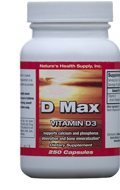
D Max
Contiene:
- 5,000 iu's de Vitamina D3
(por capsula) - 250 capsulas (por frasco)
Uso Sugerido:
1 capsula dos veces por dia
(o como lo indique su médico)
Haga Click Aqúi para ver
La tabla de Ingredientes
Un extensivo estudio ha demostrado que la vitamina D es un componente esencial para nuestra salud. La vitamina D3 y el papel que juega en la construcción y mantenimiento de una buena salud ósea. Cantidades adecuadas de calcio, vitamina D3 junto con actividad física, pueden ayudar a reducir el riesgo de osteoporosis en etapas posteriores de la vida
- 1 frasco
- $23.95
- 2 frascos $22.95 cada
- $45.90
- 3 frascos $21.95 cada
- $65.85
- 6 frascos $19.95 cada
- $119.70
- 12 frascos$17.95 cada
- $215.40
vK2
Contiene:
60 capsulas por frasco (para 30 dias)
- MK-4 (5 mg/capsule)
- MK-7 (100 mcg/capsule)
Uso sugerido:
1 cápsula dos veces al día
(o una cápsula por cada Dmax cápsula tomada)
Haga Click Aqúi para ver
La tabla de Ingredientes
vK2 es el producto perfecto para Dmax

- 1 frasco
- $28.95
- 2 frascos $27.95 each
- $55.90
- 3 frascos $26.95 each
- $80.85
- 6 frascos $25.95 each
- $155.70
- 12 frascos $23.95 each
- $287.40
- 24 frascos $21.95 each
- $526.80
La vitamina D3 estimula la producción de proteínas dependientes de la vitamina K (VKDP)tales como Osteocalcin (OC) y Matrix gla protein (MGP). Estos VKDP son críticos en el transporte de calciodesde donde NO debe estar (válvulas cardíacas, revestimientos arteriales y riñones) hasta donde DEBE estar (huesos y dientes). Los VKDP solo pueden llevar a cabo esta función vital si han sido activados por la vitamina K2.
Todos deben tomar Vitamina K2, pero si usted toma Vitamina D3, necesita vitamina K2 especialmente para satisfacer la mayor demanda que la vitamina D3 estimula.
A diferencia de la mayoría de las fórmulas de vitamina K, Ultra K proporciona una enorme cantidad de MK-4 y MK-7. Las cantidades proporcionadas no solo son generosas (5 mg de MK-4 Y 100 mcg de MK-7), sino que también son de grado farmacéutico (MK-4 es 99% forma trans, MK-7 es 70% forma trans) y de origen europeo (NO de China).
Si la vitamina K2 NO es amarilla (como lo es Ultra K ), NO es de grado farmacéutico y probablemente sea de China.
Ultra K se formuló como el complemento perfecto para Dmax . La dosis sugerida es una cápsula de Ultra K para cada cápsula de Dmax tomada (juntas al mismo tiempo).
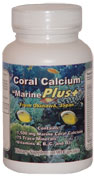
Coral Calcium: Marine Plus
Contiene 90 capsulas de grado marino que proviene de Okinawa, Japon. Cada 3 capsulas contiene 1,500 mg de calcio de coral mas 816 iu's de vitamina D3, como tambien contiene vitamina A, B, C y E. + Aquamin,Cesium and folates. Esta es la formula que Robert Barefoot recomienda en el comercial de T.V
Uso sugerido:
3 capsulas al dia
(preferiblemente a intervalos regulares) con las comidas.
- 1 frasco - Coral Calcium:
"Marine Plus" - $17.95
- 2 frascos - Coral Calcium:
"Marine Plus" $13.45 cada uno - $26.90
- 3 frascos - Coral Calcium:
"Marine Plus" $12.95 cada uno - $38.85
- 6 frascos - Coral Calcium:
"Marine Plus" $12.45 cada uno - $74.40
- 12 frascos - Coral Calcium:
"Marine Plus" $11.95 cada uno - $143.40
- 24 frascos - Coral Calcium:
"Marine Plus" $11.45 cada uno - $274.80
La tabla de Ingredientes: Coral Calcium "Marine Plus"
| Porcion: 3 Capsulas
Capsulas por frasco: 90 Contanido pare: 30 |
||
| Cantidad por 2 raciones | % Valor Diario | |
|---|---|---|
|
Calcio de Coral (SMP 44®) |
1,500 mg | * |
| Calcio | 375 mg | 37.5% |
| Magnesio | 187.5 mg | 46.5% |
| Estroncio | 2.8 mg | * |
|
Alga marina (AquaminF®) |
362.5 mg | * |
| Calcio | 116 mg | 12.2% |
| Magnesio | 58 mg | 15% |
|
Vitamina D3 (como colecalciferol) |
20.4 mcg (816 IU) | 102% |
|
Vitamina A (como betacaroteno) |
2917 iu | 58% |
|
Vitamina B-1 (como tiamina HCL) |
1.1 mg | 73% |
|
Vitamina B-2 (como Riboflavin Pwd) |
1.2 mg | 71% |
|
Vitamina B-3 (como Niacinamide) |
14 mg | 70% |
|
Vitamina B-5 (como pantotenato de di-calcio) |
7 mg | 70% |
|
Vitamina B-6 (como piridoxina) |
1.4 mg | 70% |
|
Vitamina B-12 (como Cyanocobalamin) |
4.3 mcg | 72% |
|
Vitamina C (como acido ascorbico) |
70 mg | 117% |
|
Vitamina E (como d-alfa-tocoferol) |
35 iu | 117% |
| Acido folico | 400 mg | 100% |
|
Zinc (como quelato de aminoacidos) |
16.4 mg | 109% |
|
Selenio (como quelato de aminoacidos) |
30 mcg | 43% |
|
Cobre (como quelato de aminoacidos) |
2.4 mg | 120% |
|
Manganeso (como quelato de aminoacidos) |
1.44 mg | 72% |
|
Cromo (como quelato de aminoacidos) |
86 mcg | 72% |
|
Boro (como quelato de aminoacidos) |
64 mcg | * |
|
Yodo (de Kelp) |
150 mcg | 100% |
|
Cesio (como cloruro) |
3 mg | * |
*Valor Diario no establecido.
Otros Ingredientes: Gelatina, estearato de magnesio, celulosa microcristalina, dioxido de silicio, dioxido de titanio y agua
Uso Sugerido:
Tome 1 capsula 3 veces al dia a intervalos regulares con las comidas.
Otros Productos de: NHS Global Distributors LLC
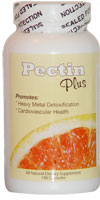
Pectin Plus®
puede ayudarle a desintoxicarse saludablemente. Pectin Plus® contiene una combinación única de los cítricos (de la pectina de toronja la corteza) además de los extractos de cilantro y ajo (sin olor estandarizado). Pectin Plus® también puede ayudarle a mantener un sistema inmunologico saludable, una presión arterial saludable, niveles de colesterol saludables, una próstata saludable y células saludables también.
read more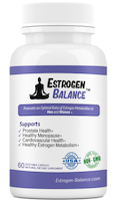
Estrogen Balance®
Estrogen Balance® es una fórmula natural para Hombres y Mujeres, que esta compuesta de D. I. M. , Quercetina y linaza. Las ultimas investigaciónes han demostrado que la "dominancia de estrogenos" es un factor importante que ha contribuido en el sindrome PMS, en los síntomas de la menopausia, el agrandamiento de la próstata, la edad precoz, los ataques al corazón y el cáncer. El estrogen Balance® puede ayudar a mantener unos niveles saludables de estrógenos en hombres como a las mujeres.
read more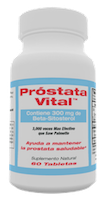
Próstata Vital™
Próstata Vital y como puede ayudarle a mantener su próstata saludable. Próstata Vital contiene beta-sitosterol qual es 3.000 veces mas potente que el saw palmetto.y cuenta con la confianza de miles de clientes. Próstata vital no presenta efectos secundarios ni interactua con ningún medicamento. No produce efectos secundarios y SE OFRECE GARANTÍA DE DEVOLUCIÓN DE SU DINERO!
read more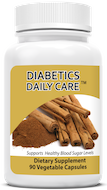
Diabetics Daily Care™
una fórmula 100% Natural, la cual puede ayudarle a mantener niveles saludables de azúcar en la sangre. Diabetes Daily Care® contiene extractos de corteza de la canela, Banaba Leaf, fenogreco, Gymnema Sylvestre y Mamordica con ácido alfa lipoico, Chromax® y vanadio. No hay otra fórmula natural que pueda ayudarle a mantener sus niveles de azucar saludable y que contenga todos estos ingredientes en una sola formula como Diabetics Daily Care™.
read more
vK2
La vitamina K2 desempeña un papel en la expulsión del calcio desde donde NO debe estar (válvulas cardíacas, revestimientos arteriales y riñones) hasta donde DEBE estar (huesos y dientes).
A diferencia de la mayoría de las fórmulas de vitamina K,vK2 proporciona tanto MK-4 (5 mg.) como MK-7 (100 mcg.). Las cantidades proporcionadas no solo son generosas, sino que también son la forma más pura (99% trans) y de la más alta calidad disponible (NO de China). vK2 se formuló como el complemento perfecto paraDmax con el uso sugerido de uno vK2 cápsula para cada Dmax tomado.
read more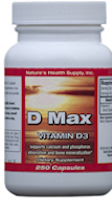
D MAX
Vitamina D3 juega un papel en la construcción y mantenimiento de una buena salud ósea. Cantidades adecuadas de calcio, vitamina D3 junto con actividad física, pueden ayudar a reducir el riesgo de osteoporosis en etapas posteriores de la vida. D MAX contiene 5.000 ui de Vitamina D3 por cápsula.
read more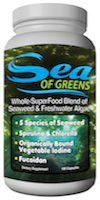
Sea of Greens®
Sea of Greens® es un suplemento 100% natural, de Superalimentos Enteros, que combina una combinación óptima de vegetales marinos comestibles (del prístino océano Atlántico norte) con algas de agua dulce. Mar de Verdes & reg; Contiene 5 especies de algas marinas (Bladderwrack, Wakame, Rockweed, Sea Lettuce y Dulse) y 2 especies de algas de agua dulce (Spirulina y Chlorella). Es una fuente rica de yodo vegetal unido orgánicamente, así como fucoidan. Cada botella contiene (180) cápsulas de vegetales (un suministro para 30 días).
read more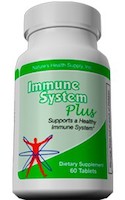
Immune System Plus™
una fórmula que aumenta la respuesta del sistema inmunológico, basada en el Beta Glucano que es extraído de la avena y que no ha sido superado en su capacidad de defender nuestros cuerpos de las infecciones. Extraordinariamente combinado con el Acido Alfa Lipoico, la Glicina de Trimetilo, el Calostro y los extractos de baya de saúco y Andographis, así como las Vitaminas C y B12, los Folato y el Selenio . . .
read moreContáctenos
255 Rivertown Shops Dr.
Suite 102, PMB 128
Saint Johns, FL 32259
International: 1.805.322.0005
Gracias por su interés en Vitamin-D-Max.com/spanish
Esta información aquí dentro está diseñada para proporcionar información precisa con respecto al tema tratado. Se proporciona con el entendimiento de que NHS Global Distributors LLC no se dedica a la prestación de asesoramiento médico. Si se requiere la asistencia de un experto, deben buscarse los servicios de un profesional médico competente. Estas declaraciones no han sido evaluadas por la Administración de Alimentos y Medicamentos. Estos productos no están destinados a diagnosticar, tratar, curar o prevenir ninguna enfermedad. Siempre lea y siga las instrucciones del fabricante que vienen con este producto.
Estás protegido por el FDA Dietary Supplement and Nonprescription Drug Consumer Protection Act
por favor llama 888.443.7227 o Hago Click aqui para reportar cualquier Reacción adversa con Próstata Vital.